


Brian Blase, Ph.D., is the President of Paragon Health Institute. Brian was Special Assistant to the President for Economic Policy at the White House’s National Economic Council (NEC) from 2017-2019, where he coordinated the development and execution of numerous health policies and advised the President, NEC director, and senior officials. After leaving the White House, Brian founded Blase Policy Strategies and served as its CEO.
Testimony of Brian Blase Before the Senate Homeland Security Permanent Subcommittee on Investigations: “Assessing the Damage Done by Obamacare”

FULL HEARING VIDEO: Assessing the Damage Done by Obamacare
VIDEO CLIP: Testimony of Brian Blase
Oral Testimony Transcript
Chairman Johnson, Ranking Member Blumenthal, and Members of the Subcommittee:
Thank you for the opportunity to testify today.
From a lack of options, my family with five children has been enrolled in an ACA plan for 4 years. I have seen firsthand the real problems with the law.
All government policies create winners and losers. Unfortunately, the Affordable Care Act created far more losers than winners.
The ACA promised affordable, high-quality insurance. It failed to deliver.
Millions of people lost health plans they liked.
Millions of families faced massive premium and deductible increases for worse coverage that included fewer doctors and hospitals.
The ACA significantly contributes to rising deficits and unsustainable debt, leaving young families, their children, and future generations with higher taxes and inflation.
The law entrenched an inefficient, insurance-dominated health sector with massive subsidies flowing straight from the Treasury to insurance companies.
Here are the basic economics.
The ACA’s regulations increased premiums for most people to decrease them for a small number.
Subsidies were then needed so people could afford coverage that the government regulations made more expensive.
The underlying regulatory and subsidy structure leads to ever-escalating premiums and prices.
Higher premiums create pressure for still more subsidies.
And those additional subsidies only worsen the underlying problems—fueling the very premium and price escalation they are meant to offset.
If Congress wants to make health care more affordable, it must reform the structure itself, not throw more good taxpayer money after bad.
In 2014, when the ACA’s key provisions took effect, individual market premiums rose nearly 50 percent.
From 2014 to 2026, premiums increased nearly twice as rapidly as employer plan premiums.
The ACA’s subsidies are ill-designed and inflationary. The enrollee’s share of the premium is capped, regardless of the total premium. Because enrollees pay only a small slice of the premium, insurers face virtually no price discipline—giving them incentives to inflate costs rather than improve value.
The ACA regulations drive higher costs. For example, under the medical loss ratio, insurers must spend a minimum share of premium revenue on medical claims. In other words, to increase profits, insurers must increase premiums.
The ACA’s essential health benefit mandates require all plans to cover the same set of services, regardless of what consumers want or need. These rules increase wasteful spending and premiums.
COVID-era subsidy boosts resulted in fully subsidized coverage and led to massive fraud.
In 2025, there are 6.4 million people enrolled in fully subsidized plans who are not eligible, costing $27 billion. In 15 states, there are more than twice as many enrollees in fully subsidized plans than are eligible.
Many of these enrollees were signed up without their knowledge or consent, victims of massive fraud schemes. A staggering 40 percent of fully subsidized enrollees used no medical services in 2024. Many of these zero-claim enrollees are “phantoms.” Federal taxpayers sent more than $35 billion to insurers for people who did not use the plan a single time.
The ACA’s subsidy structure, particularly with the COVID add-ons, incentivizes small employers to drop coverage. The percentage of small employers offering a health plan has dropped by one-third since 2010.
The ACA also led some state and local governments to drop retiree health coverage, offloading that expense onto the federal taxpayer.
The COVID credits, by lifting the subsidy cap at 4 times the federal poverty level, encourage early retirement. It has led to situations like a retired couple in their mid-50s—who earn $136,000 in pension income from government service—receiving $15,000 in ACA subsidies.
ACA premiums will rise next year because of underlying flaws with the program. Only a small portion of the increase is from the expiring COVID credits. The underlying ACA subsidy provides enormous protection for more than 93 percent of enrollees from high premiums. Most will pay less than $80 a month for a plan next year, with the federal taxpayer picking up 80 percent of the premium cost and a higher percentage for lower-income enrollees.
The Inflation Reduction Act set the COVID credits to expire after 2025. And they should end. Continuing them would exacerbate fraud, increase premiums and health care prices, drive out alternative financing arrangements, remove the imperative for reforming this failing program, and drive the country deeper in debt.
Real reform does not mean spending more taxpayer money. It means giving consumers the freedom to choose the coverage and care that best meet their needs.
Thank you. I look forward to answering your questions.
Written Testimony
Chairman Johnson, Ranking Member Blumenthal, and Members of the Subcommittee,
Thank you for the opportunity to testify today about structural problems with the Affordable Care Act’s individual market provisions. For many Americans, the ACA made coverage unaffordable and unattractive. Biden COVID-era subsidy expansions magnify the underlying program flaws and should expire as scheduled in the Inflation Reduction Act.
The ACA was supposed to create affordable insurance. Instead, premiums and deductibles soared. In 2014, when its key provisions took effect, individual‐market premiums increased nearly 50 percent.1
From 2014 to 2026, individual-market premiums increased nearly twice as rapidly as employer plan premiums.2 ACA plans carry high deductibles and narrow networks that limit access to top providers and erode the value of coverage.3
The individual market now depends on massive taxpayer subsidies. These subsidies distort behavior, raise costs, and give enormous pricing power to insurers.
The ACA’s subsidy architecture is inflationary.4 The enrollee’s share of the premium is capped, regardless of the total premium. Because enrollees pay only a small slice of the premium, insurers face virtually no price discipline—giving them incentives to inflate costs rather than improve value.
The regulatory design of the ACA has created perverse cost-drivers. For example, under the ACA’s medical loss ratio, insurers must spend a minimum share of premium revenue on medical claims. In other words, to increase profits, they must increase premiums.
The ACA’s essential health benefits require all plans cover a standardized set of services, regardless of enrollee preferences. Coupled with no ability for cost containment, these regulations encourage high utilization and are likely responsible for the surge in recent expenditures on behavioral health services.
In 2025, improper enrollment in fully subsidized plans reached 6.4 million people, with associated improper federal spending exceeding $27 billion.5 In 15 states, the number of enrollees in fully subsidized plans was more than double the number of eligible individuals.
Many of these enrollees were signed up without their knowledge or consent, victims of massive fraud schemes. A staggering 40 percent of fully subsidized enrollees used no medical services in 2024.6 Many of these zero-claim enrollees are “phantoms.”7 Federal taxpayers likely sent more than $35 billion to insurers for people who did not use the plan a single time.8 The enhanced ACA subsidies, or Biden’s COVID credits, were directly responsible for this massive increase in fraud.
The ACA’s subsidy structure, particularly with the COVID credits, incentivizes small employers to drop company health plans. The percentage of small employers offering a company health plan has dropped by one-third since 2010.9 Less employer coverage means higher taxpayer costs.
The ACA also led some state and local governments to drop retiree health coverage, offloading that expense on the federal taxpayer. The COVID credits make this problem much more severe.
The COVID credits, by lifting the subsidy cap at 400 percent of the federal poverty level, encourage early retirement. It has led to situations like a retired couple in their mid-50s — who earn $136,000 in pension income from government service —receiving $15,000 in ACA subsidies.10 These subsidies are funded by people who receive coverage from their employer and who bear the cost of the employer plan.
Congressional Democrats set the COVID credits to expire after 2025. Continuing them would exacerbate fraud, increase premiums and health care prices, and remove the imperative for reforming this failing program.
Gross ACA premiums will rise next year, but only a small portion of the increase is from the expiring COVID credits. The underlying ACA subsidy provides enormous protection for more than 93 percent of enrollees.11 Most will pay less than $80 a month for a plan next year, with the federal taxpayer picking up 80 percent of the premium cost and a higher percentage for lower-income enrollees.12–13
The ACA has failed to deliver on its promise of affordable, high-quality, consumer-driven insurance. Instead, we see rising premiums and deductibles, narrow provider networks, overwhelming taxpayer subsidies, regulatory cost-drivers, insurer pricing power, and rampant fraud. Policymakers should recognize that extending pandemic-era subsidies beyond their emergency purpose would only unleash more health care inflation, reduce cost discipline, and drive the country deeper in debt. Real reform does not mean increasing taxpayer subsidies. It means giving consumers choices to buy plans that best meet their needs.
Thank you. I look forward to answering your questions.
Appendix
Figure 1

Figure 2
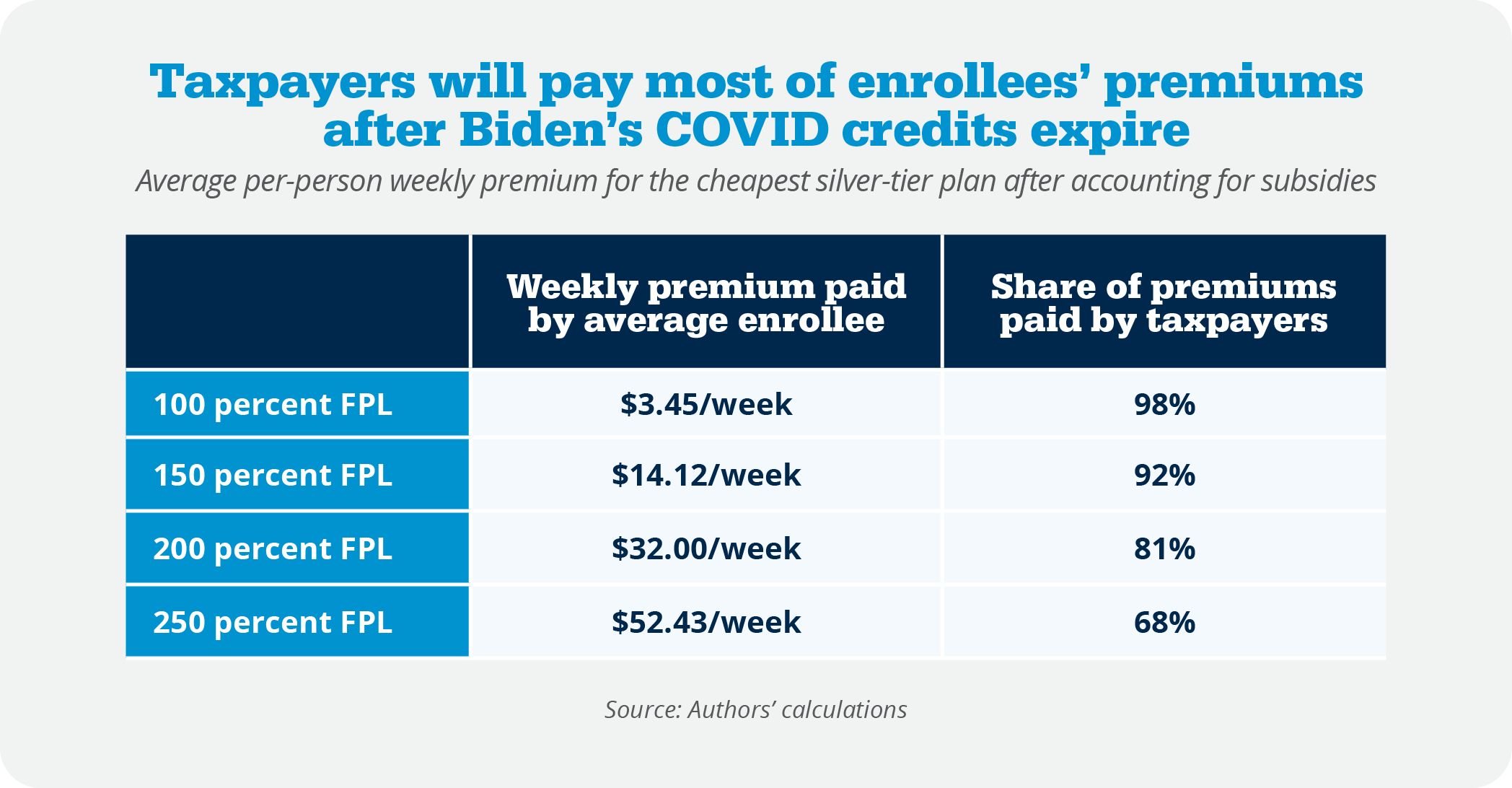
Figure 3
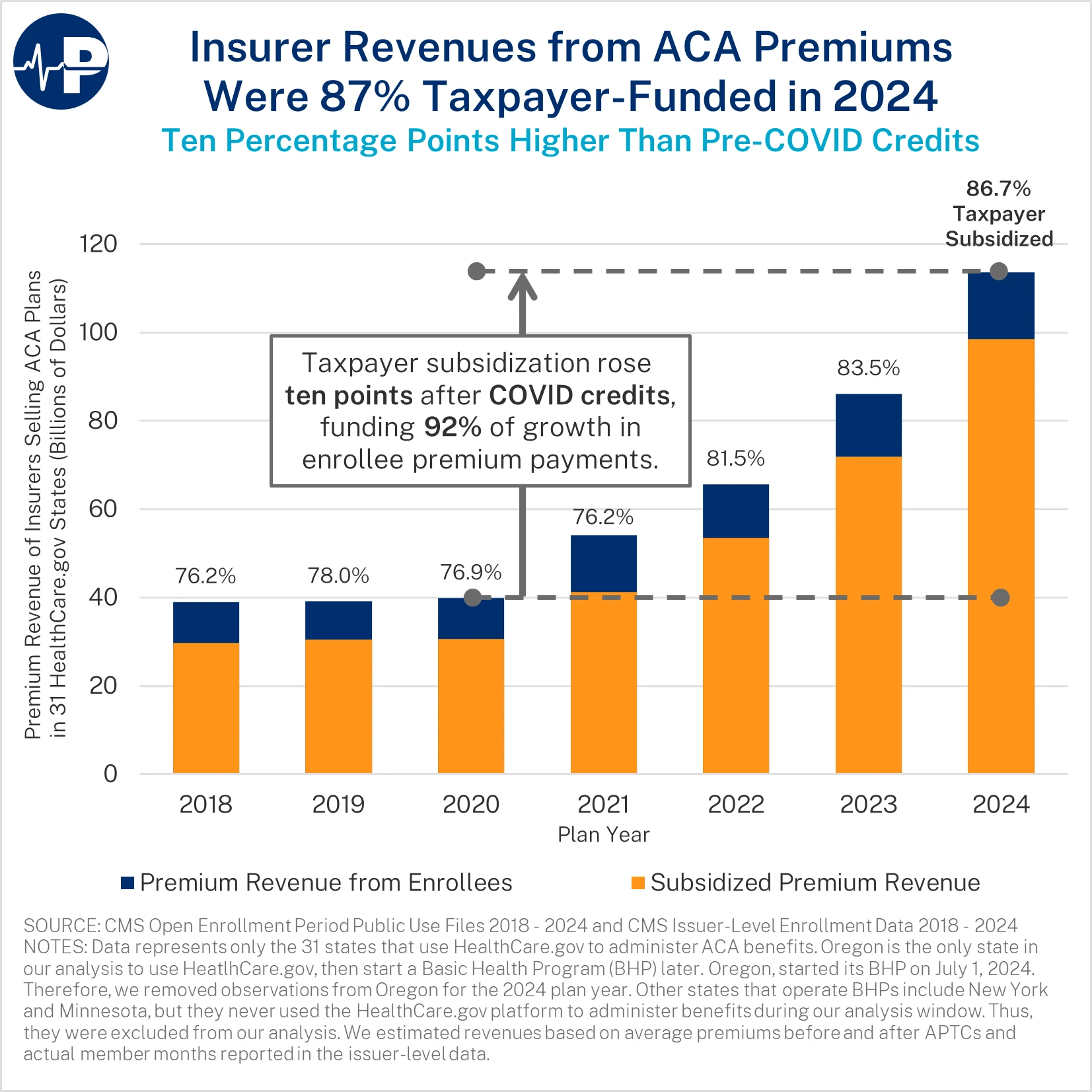
Figure 4

Figure 5
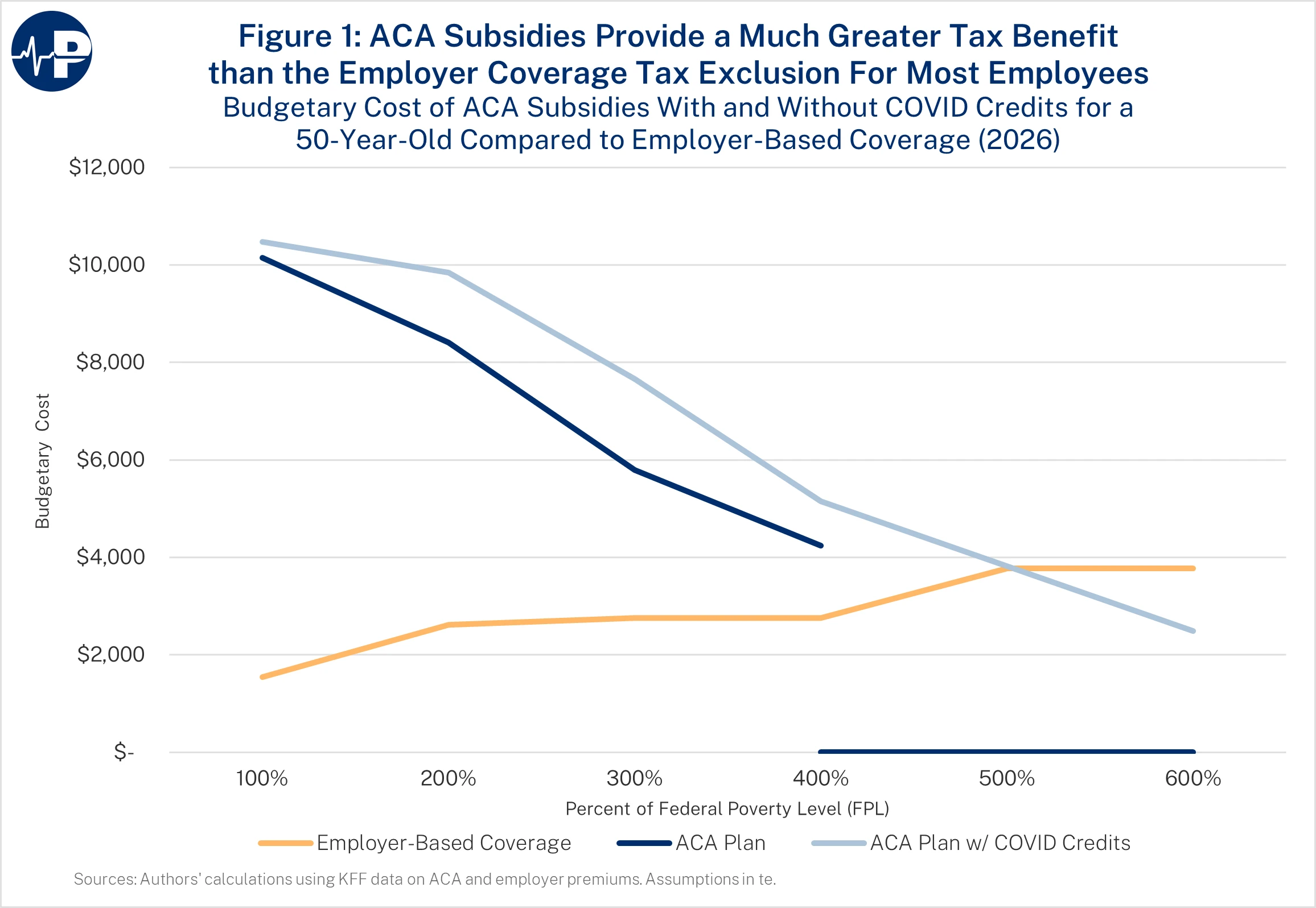
Figure 6
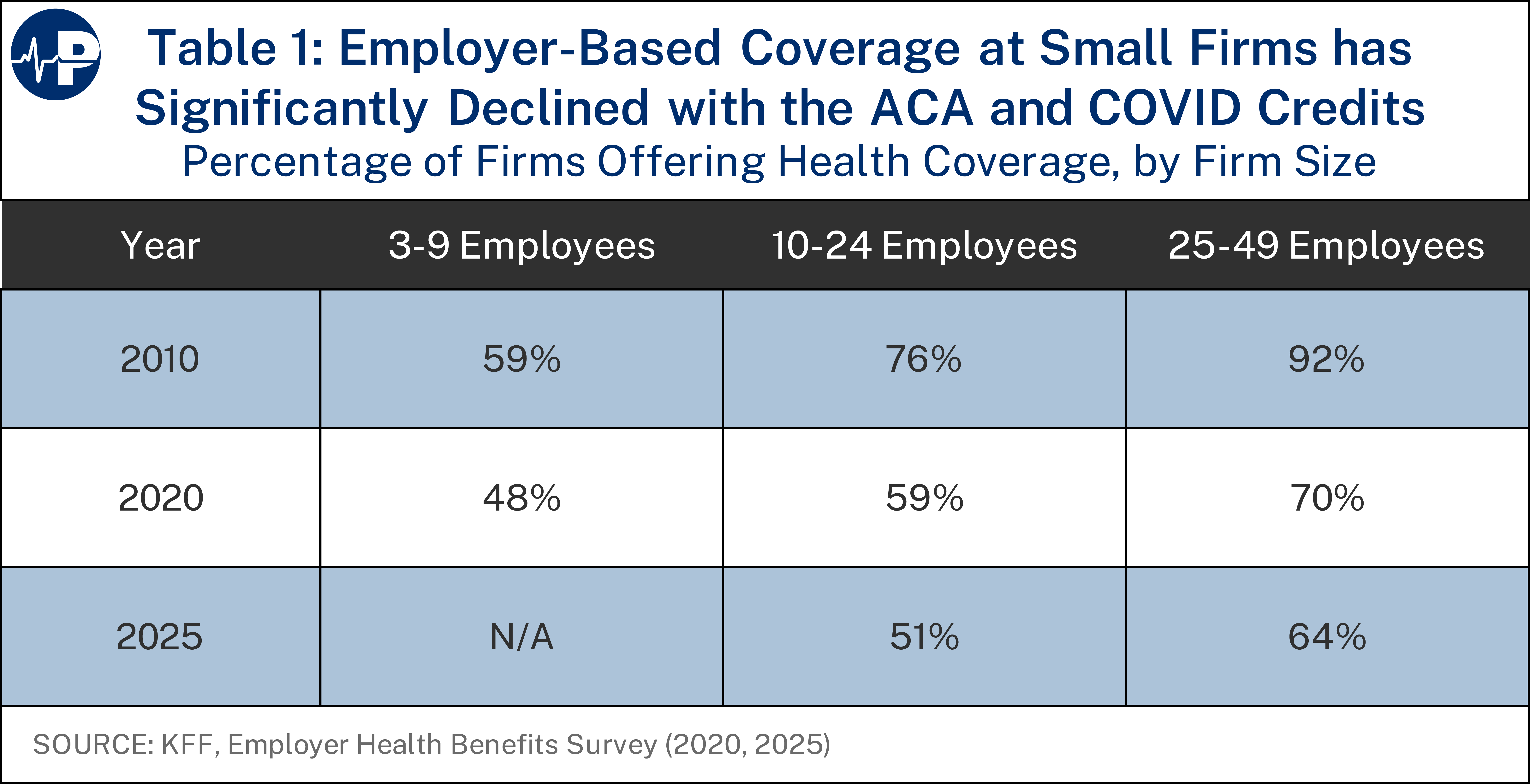
Figure 7
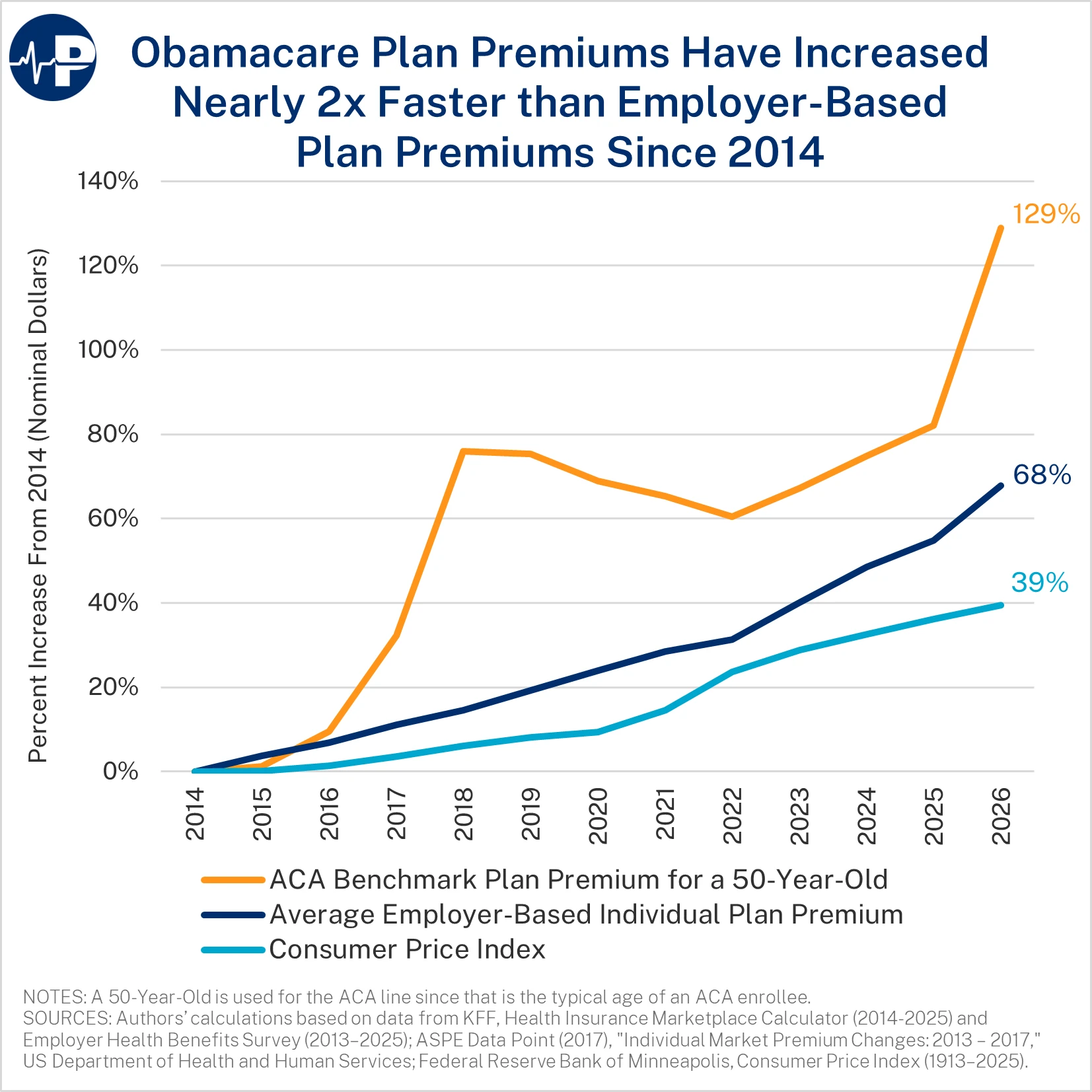
Figure 8
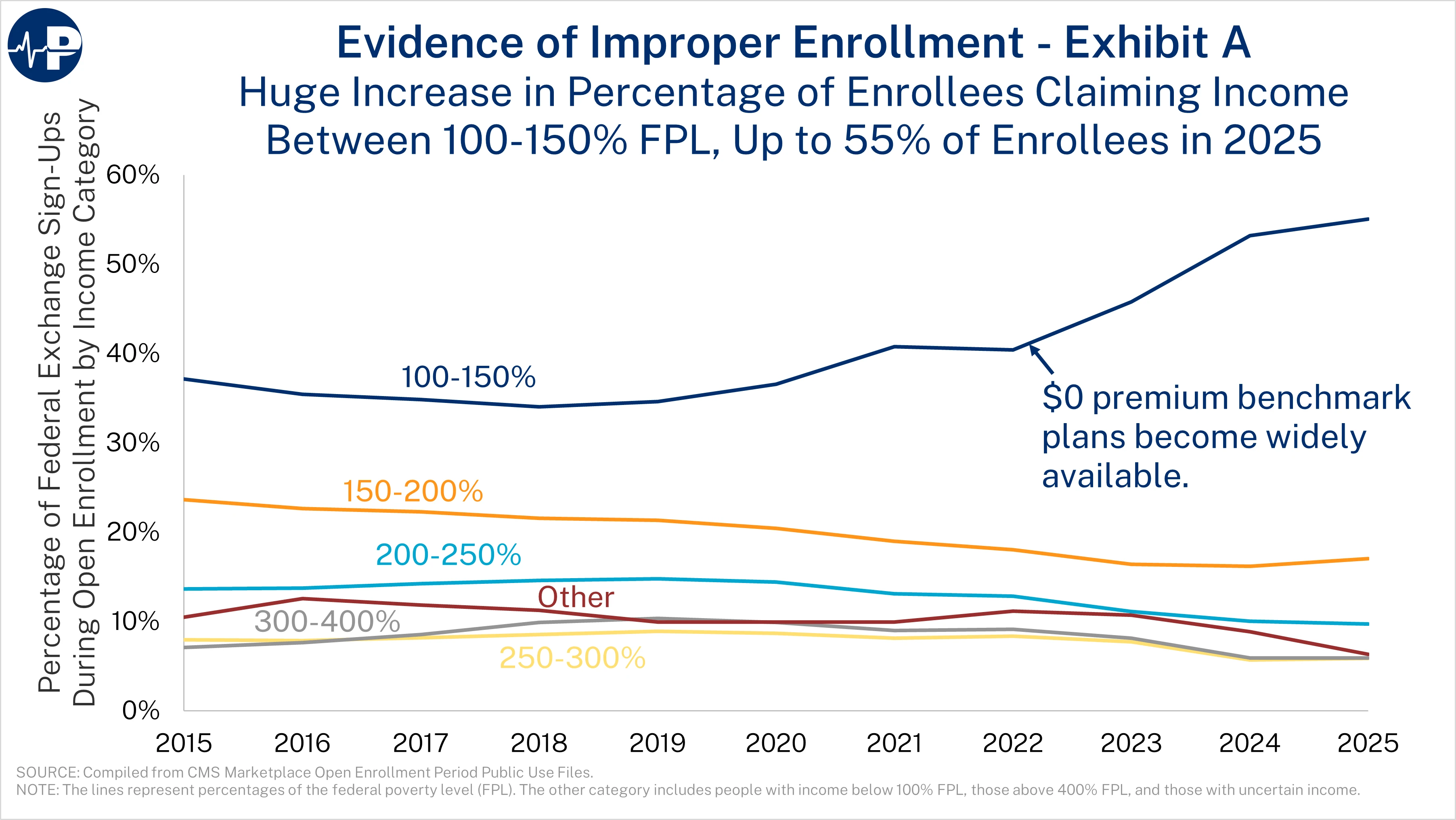
Figure 9
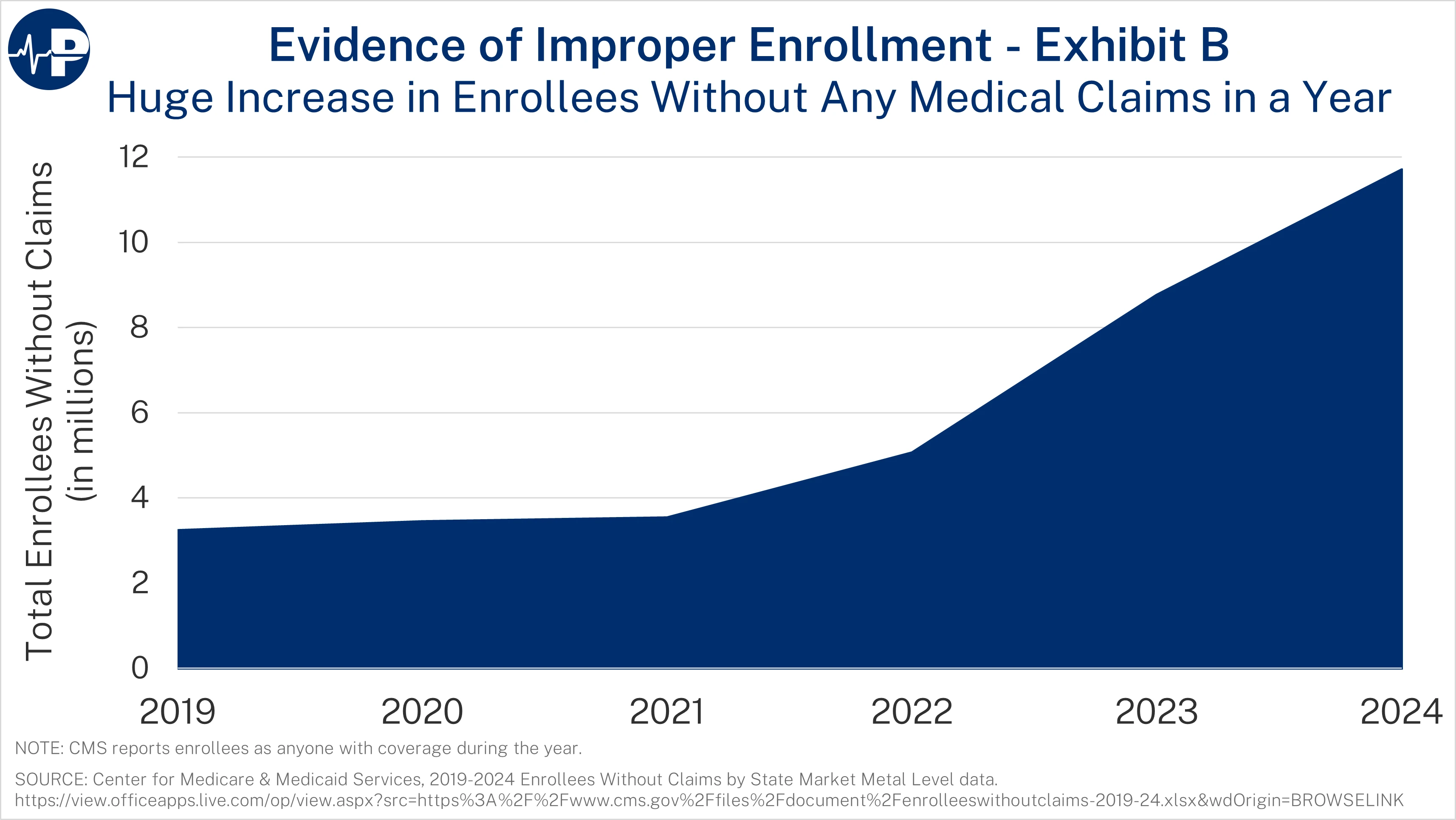
Figure 10

Footnotes
1↑ Avik Roy, "3,137-County Analysis: ACA Increased 2014 Individual Market Premiums by Average of 49%," Forbes, June 18, 2014, https://www.forbes.com/sites/theapothecary/2014/06/18/3137-county-analysis-ACA-increased-2014-individual-market-premiums-by-average-of-49/
2↑ Brian Blase and John R. Graham, "Problems with ACA Subsidies Compounded by COVID Credits: Unfair to Americans with Employer-Based Insurance, Punish Work, and Incentivize Employers to Drop Coverage," Paragon Health Institute, November 6, 2025, https://paragoninstitute.org/private-health/problems-with-aca-subsidies-compounded-by-covid-credits-unfair-to-americans-with-employer-based-insurance-punish-work-and-incentivize-employers-to-drop-coverage/
3↑ Daniel Cruz and Greg Fann, "It's Not Just the Prices: ACA Plans Have Declined in Quality over the Past Decade," Paragon Health Institute, September 2024, https://paragoninstitute.org/private-health/its-not-just-the-prices-aca-plans-have-declined-in-quality-over-the-past-decade/
4↑ Mark Howell, "Almost Entire ACA Premium Increases Paid for by Taxpayers," Paragon Health Institute, n.d., https://paragoninstitute.org/paragon-pic/almost-entire-ACA-premium-increases-paid-for-by-taxpayers/
5↑ Brian Blase, Chris Medrano, Niklas Kleinworth, and Jackson Hammond, "The Greater ACA Enrollment Fraud," Paragon Health Institute, June 2025, https://paragoninstitute.org/private-health/the-greater-ACA-enrollment-fraud/
6↑ Brian Blase, "The Rise of Phantom ACA Enrollees: Biden COVID Credits Drive Massive Increase in Individual Market Enrollees with No Medical Claims," Paragon Health Institute, August 13, 2025, https://paragoninstitute.org/paragon-prognosis/the-rise-of-phantom-ACA-enrollees-biden-covid-credits-drive-massive-increase-in-individual-market-enrollees-with-no-medical-claims/
7↑ Paragon Health Institute, "Phantom Enrollees," n.d., https://paragoninstitute.org/glossary/phantom-enrollees/
8↑ Brian Blase and Trevor Carlson, "Biden's COVID Credits Are an ACA Expansion That Congress Should Allow to Expire," Foundation for Government Accountability, September 3, 2025, https://thefga.org/research/bidens-covid-credits-are-ACA-expansion-congress-should-allow-expire/
9↑ Brian Blase and Mark Howell, "ACA Plan Premiums Have Increased Nearly 2x Faster than Employer-Based Premiums Since 2014," Paragon Health Institute, n.d., https://paragoninstitute.org/paragon-pic/ACA-plan-premiums-have-increased-nearly-2x-faster-than-employer-based-premiums-since-2014/
10↑ Greg Iacurci, "ACA Enhanced Subsidy Lapse Could Hit Early Retirees Hardest Amid Shutdown Fight," CNBC, October 17, 2025, https://www.cnbc.com/2025/10/17/aca-enhanced-subsidy-lapse-government-shutdown.html
11↑ KFF, "Marketplace Plan Selections by Household Income," n.d., https://www.kff.org/affordable-care-act/state-indicator/marketplace-plan-selections-by-household-income-2/?dataView=1¤tTimeframe=0&sortModel=%7B%22colId%22:%22Location%22,%22sort%22:%22asc%22%7D
12↑ Brian Blase and Trevor Carlson, "Biden's COVID Credits Are an ACA Expansion That Congress Should Allow to Expire," Foundation for Government Accountability, September 3, 2025, https://thefga.org/research/bidens-covid-credits-are-ACA-expansion-congress-should-allow-expire/
13↑ Mark Howell, "Almost Entire ACA Premium Increases Paid for by Taxpayers," Paragon Health Institute, n.d.,https://paragoninstitute.org/paragon-pic/almost-entire-ACA-premium-increases-paid-for-by-taxpayers/
Subscribe
Sign up now for your health policy updates.