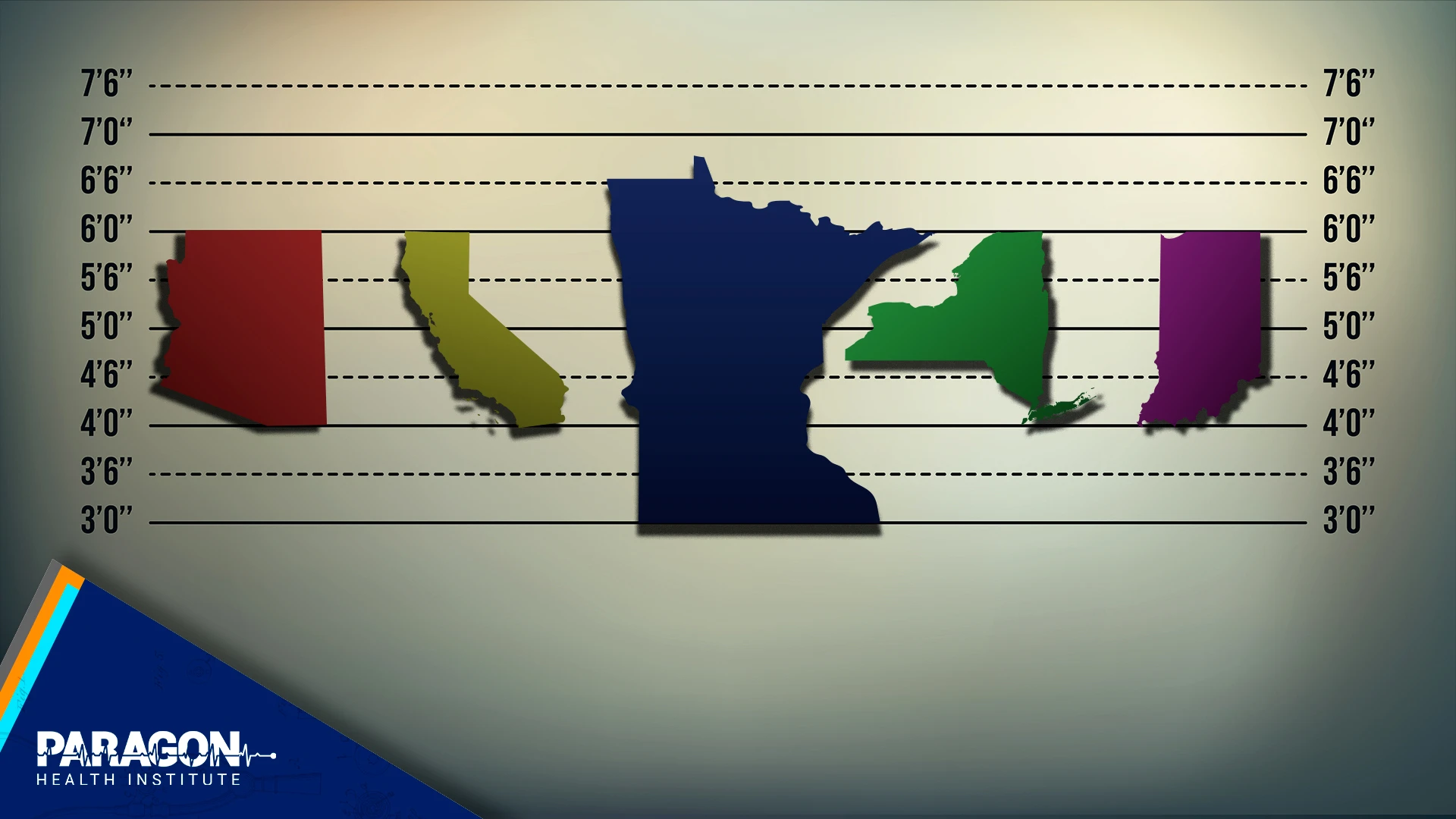
CMS Administrator Mehmet Oz has placed renewed and overdue emphasis on combating fraud, waste, and abuse in Medicaid, particularly abuses tied to provider taxes, state-directed payments, and long-running schemes in states such as Minnesota and California. To the extent that fraud has been magnified by legalized Medicaid “money laundering” arrangements that exploit the program’s open-ended federal match, CMS’s implementation of the enforcement provisions of OBBB represents a significant shift from tolerance to accountability.
But the most consequential step CMS has taken is not new guidance or technical assistance. It is the agency’s renewed willingness to withhold federal funds, as required under Section 1904, when states fail in their most basic stewardship obligations. On January 14, 2026, CMS formally notified Minnesota that its Medicaid State Plan is out of compliance with Section 1902(a)(64), which requires states to maintain effective mechanisms to receive, compile, and analyze reports of fraud, waste, and abuse.
Importantly, CMS has multiple, distinct enforcement tools that serve different but complementary purposes. Withholding under Section 1904 is a prospective, systemic compliance mechanism that places future federal matching funds at risk to compel states to correct ongoing failures. Disallowances under Section 1903 are retrospective and transactional, allowing CMS to deny or recoup federal matching funds for specific improper expenditures. Recoveries occur when misspent federal funds are ultimately repaid or offset, typically following disallowances or audit findings. Effective enforcement requires forcing compliance, correcting past violations, and ensuring states do not retain improper federal funds.
Unless the state can demonstrate substantial compliance, CMS may partially withhold federal financial participation, potentially totaling up to $515 million per quarter. CMS further noted that the 14 high-risk Medicaid service categories in Minnesota represent approximately $3.75 billion in combined federal and state spending.
By initiating proceedings under Section 1904 of the Social Security Act, the agency has moved beyond the collaborative, corrective-action-only model that has dominated Medicaid oversight for decades and has failed to result in meaningful state action. Critics have called this the “nuclear option,” but this ignores just how pervasive fraud in Medicaid has become due to massive increases in spending from COVID and states’ accelerated deployment of money laundering tactics, fueled by the ACA’s much higher matching rate for the expansion population, to obtain more federal dollars with limited actual state cost exposure. Real enforcement is the most compassionate and effective solution to fraud because it will encourage states to take greater care to reduce fraud and improper payments, thus preserving the program for those who need it most.
By using Section 1904 authority to withhold funds, the Trump administration has signaled that it is serious about protecting taxpayer dollars from being lost to organized crime, fraud rings, and negligent state management. The additional recommendations outlined below would further the agency’s mission in combatting fraud.